Neurological Conditions and Physiotherapy: What to Expect
Nerve-related symptoms cover a wide range of presentations. Here's how physiotherapy fits in, and how to find the right kind of support.
 Written by John Winters, HCPC-registered physiotherapist (PH114616)
Last reviewed 28 October 2026
What "Neurological" Covers
The term "neurological" is a broad one, spanning everything from a trapped nerve in the lower back causing sciatica, to complex, long-term conditions like stroke, multiple sclerosis or Parkinson's disease. Because the term covers such different presentations, the right kind of physiotherapy support looks quite different depending on what's actually going on — which is why an accurate assessment, and honesty about the type of expertise a particular clinic or clinician offers, matters more than the label "neurological" alone.
Nerve-Related Musculoskeletal Symptoms
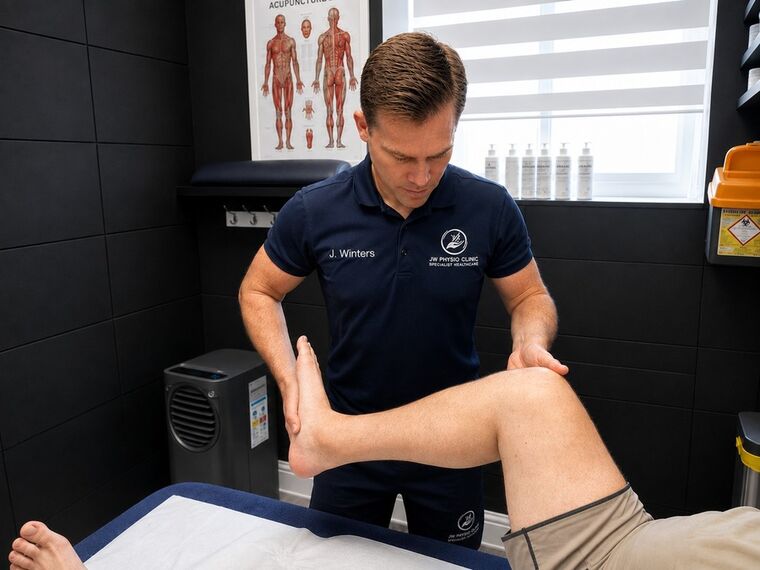
A large proportion of the "nerve" symptoms we see day-to-day in a musculoskeletal physiotherapy clinic are things like sciatica, nerve irritation following a disc problem in the neck or back, or numbness and tingling linked to nerve compression at a joint (such as carpal tunnel syndrome at the wrist). These fall squarely within core musculoskeletal physiotherapy — assessing the mechanical cause of nerve irritation, and treating it with a combination of manual therapy, targeted exercise and activity advice. Where imaging or a specialist opinion is warranted, we can arrange the appropriate referral.
Long-Term Neurological Conditions
Conditions such as stroke, multiple sclerosis, Parkinson's disease or spinal cord injury involve the central nervous system directly, and rehabilitation for these conditions is a specialist area of physiotherapy in its own right, typically requiring particular training and experience in neurological rehabilitation specifically. If you're managing one of these conditions, it's worth asking any clinic directly about the specific neurological rehabilitation experience and qualifications of the physiotherapist you'd be seeing, rather than assuming any physiotherapist is equipped to manage this kind of complex, long-term condition. We believe in being straightforward about this distinction, since getting the right kind of specialist input matters for outcomes.
Where JW Physio Clinic Can Help
Our clinical team's core expertise is musculoskeletal physiotherapy — assessing and treating pain, injury and movement problems affecting muscles, joints, tendons and the peripheral nerves that supply them. This covers the great majority of nerve-related symptoms patients bring to us, including sciatica, nerve compression at the wrist or elbow, and nerve irritation following injury. For symptoms suggesting a central neurological condition, or where a case would clearly benefit from specialist neurological rehabilitation, we'll be upfront about that and help point you towards the right kind of support, whether that's your GP, a neurologist, or a physiotherapist with specific neurological rehabilitation training.
Signs Your Symptoms May Need Specialist Neurological Assessment
- Progressive weakness affecting one side of the body, or multiple limbs together
- New difficulty with coordination, balance or speech
- Symptoms following a diagnosed neurological condition, such as stroke, MS or Parkinson's
- Widespread numbness or altered sensation not clearly linked to a specific nerve or joint
If you notice any of these alongside sudden, severe symptoms, seek urgent medical attention rather than waiting for a routine appointment.
How Physiotherapy Can Support Neurological Symptoms
Physiotherapy cannot cure a neurological condition, but it can help people move as well as possible, stay active and manage everyday function. Depending on your situation, that might involve work on balance, walking, strength, flexibility, posture and fatigue management, together with a home exercise programme and advice for family or carers.
Balance and Falls Prevention
Poor balance is a common concern. Assessment can identify what is contributing, such as weakness, stiffness, sensory changes or footwear, and treatment may combine balance training, strengthening and practical strategies for around the home. If you have had a fall or are worried about falling, mention this at your first appointment.
Working With Your Wider Team
People with long-term neurological conditions usually have specialist input, such as a neurologist, GP or community neurological team. We work alongside, rather than instead of, those services. If we believe you need further specialist assessment, we will say so and can write to your GP.
Pain That Looks Neurological but Is Not
Not all tingling, numbness or weakness comes from a neurological disease. Compression or irritation of a nerve in the spine or limb is common and often responds well to treatment. An assessment helps separate nerve irritation from something that needs further investigation.
What to Bring
- A list of your diagnoses and current medication
- Recent letters or scan reports, if you have them
- Details of any falls, changes in symptoms or new problems
- Your goals, so we can focus on what matters to you
Getting Started
If your symptoms sound like they fit within musculoskeletal physiotherapy — nerve pain linked to your back, neck, or a specific joint — a thorough assessment with our team is a sensible next step. If you're unsure which category your symptoms fall into, our reception team is happy to talk it through with you before you book, so you end up in the right place from the start.
Frequently Asked Questions
It can help people maintain movement, strength, balance and independence, and manage symptoms, alongside care from their specialist team. It does not cure the underlying condition.
No. If you have new or unexplained symptoms such as numbness, weakness or balance problems, speak to your GP so they can arrange any tests needed. We can still assess how your symptoms affect movement.
Sudden weakness, facial drooping, speech difficulty, loss of bladder or bowel control, or numbness in the groin or saddle area need urgent medical help. Call 999 or attend A&E.
With your consent, yes. We can write to your GP or specialist if we feel further investigation or input is needed.
Talk to the JW Physio Clinic team
Book an appointment at our Loughton clinic. No GP referral is needed, and same-week appointments are usually available.
Book an Appointment Book a physiotherapy assessmentRelated Reading
- How Long Does Sciatica Take to Heal?
- Physiotherapy vs Ultrasound-Guided Injection: Which Do You Need First?
- Do You Need a GP Referral for Physiotherapy?
This article is general information and is not a substitute for an individual assessment. If you are worried about your symptoms, speak to a healthcare professional.
Get Assessed
Speak to our team about nerve-related pain linked to your back, neck or a specific joint.
Book an Appointment Call 02031 466 837 WhatsApp Us